When is Lohri 2026 Celebrated and What is its Significance?
April 27, 2026 Monday
Lohri 2026 Date and Auspicious Muhurat
- Lohri Date: January 13, 2026 (Tuesday)
- Sunset Time: 05:44 PM
- Auspicious Worship Window: 05:44 PM to 07:44 PM (Pradosh Kaal)
- Bhadra End Time: 03:18 PM
Traditionally, Lohri is celebrated a day before Makar Sankranti. Since Makar Sankranti falls on January 14, Wednesday in 2026, Lohri will be observed on January 13. This date also marks the eve of the Sun’s entry into the Capricorn (Makara) zodiac.
Auspicious Time for Lohri Worship
The most favorable time to light the Lohri fire is during the Pradosh period, which begins immediately after sunset. In 2026, the sunset is expected at 5:44 PM. Lighting the bonfire and performing rituals within the 2-hour window after sunset is considered most beneficial for inviting positive energy into the home.
Lohri Rituals in 2026: Step-by-Step Guide
To celebrate Lohri with full traditional fervor and seek divine blessings, follow these ritual steps:
- Preparation: Gather firewood and stack it in an open area, decorating the structure neatly.
- Purification: Sprinkle Gangajal or holy water on the wood to purify the space.
- Offerings: Before lighting, apply turmeric (haldi), kumkum, and rice grains (akshat) to the firewood.
- Lighting the Fire: Light the bonfire during the auspicious Pradosh Muhurat.
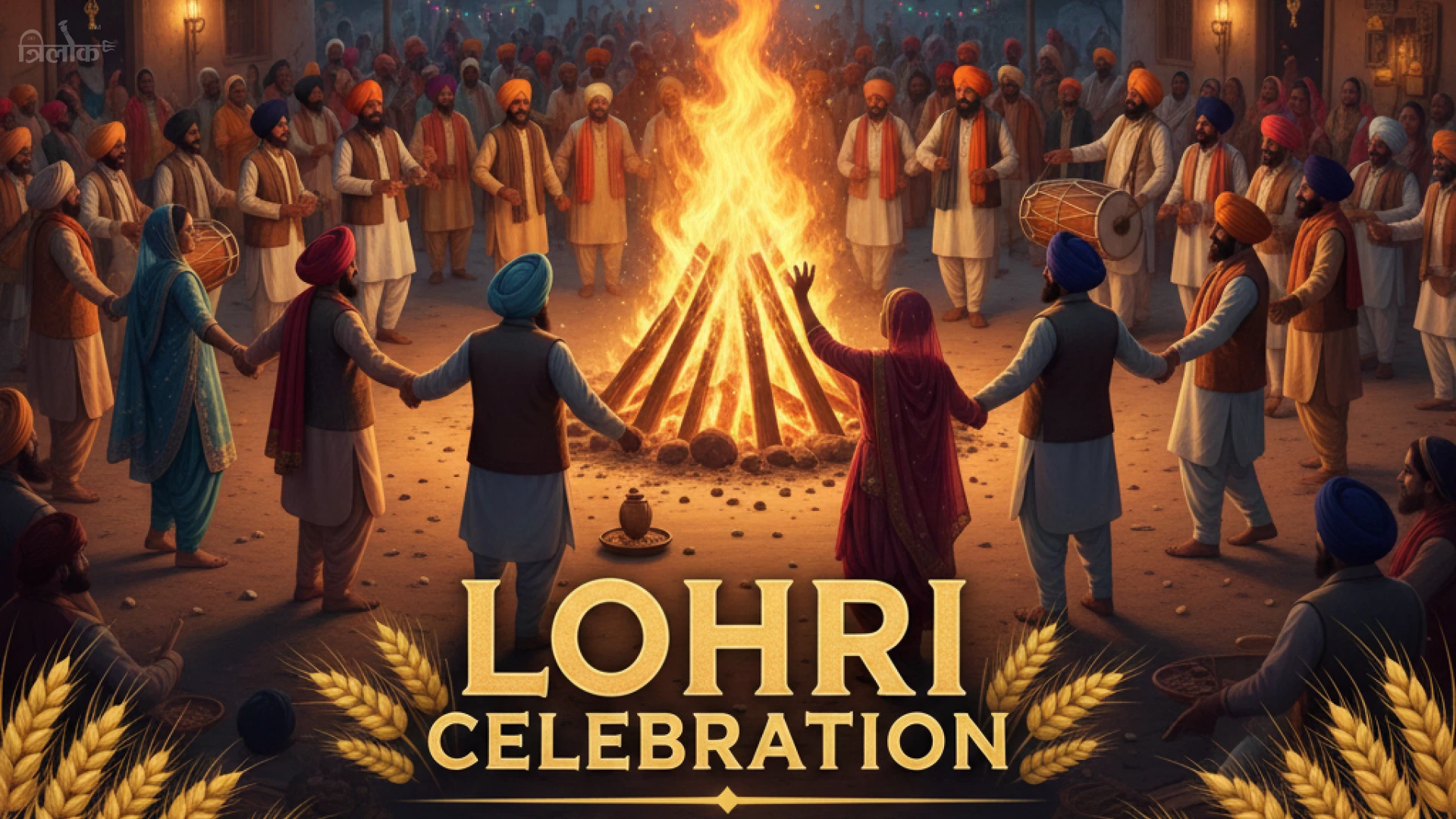
- Parikrama (Circumambulation): Walk around the fire with your family members. While doing so, offer sesame seeds (til), jaggery (gur), peanuts, maize, and wheat ears into the flames.
- Prayers: Pray for the health, happiness, and peace of your entire family.
Note: It is a common belief that exposing children to the smoke of the Lohri fire helps ward off the “evil eye” and promotes physical well-being.
The Significance of Lohri
Lohri is much more than a bonfire; it symbolizes the end of peak winter and the beginning of longer days. Here is why it remains so important:
- Harvest Celebration: It is traditionally the festival of the Rabi harvest. Farmers offer a portion of their new crop to the fire as a gesture of gratitude to the Sun God and Agni Dev.
- Celestial Movement: It celebrates the northward movement of the Sun, signaling the transition into a more fertile and bright period of the year.
- Community Bonding: Through the distribution of Gajak, Laddus, and Til, it fosters sweetness and unity within the community.