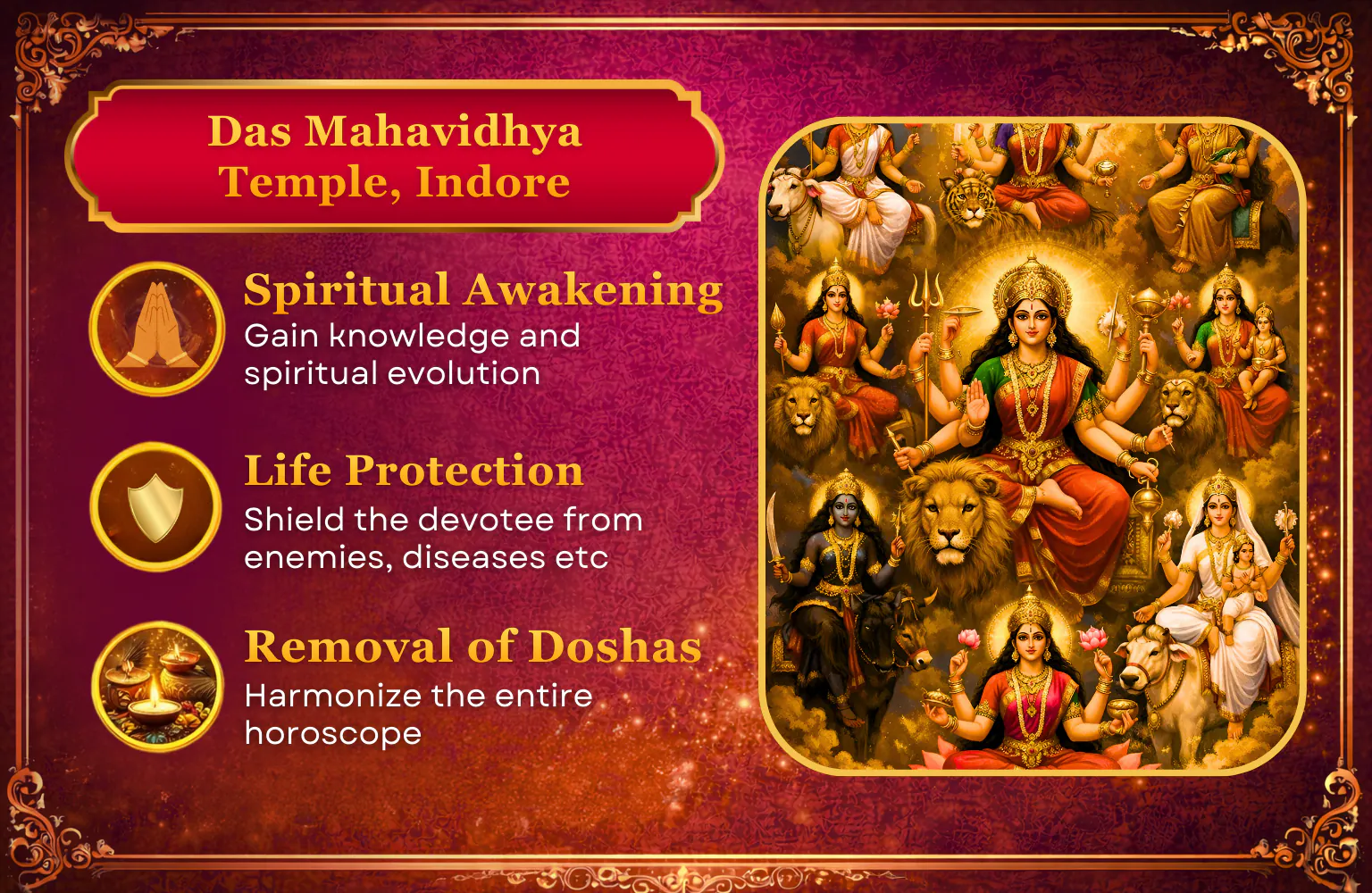
Das Mahavidhya Temple
The Das Mahavidya are ten powerful manifestations of Adi Parashakti, symbolizing different aspects of wisdom and divine energy. Their origin is linked to Goddess Sati, who, when prevented by Lord Shiva from attending her father Daksha’s Yagya, revealed ten fierce forms to assert her cosmic power. These goddesses—Kali, Tara, Chinnamasta, Bhuvaneshwari, Bhairavi, Dhumavati, Baglamukhi, Matangi, Shodashi, and Kamala—each embody distinct spiritual teachings, ranging from destruction and transformation to wisdom and prosperity. Worshipped for enlightenment and strength, the Das Mahavidya guide devotees in their journey toward ultimate realization, representing the mystical forces of the universe.
Chadhawa Methods
-
 Visit Chadhawa
Go to the Trilok website and select the "Chadhawa" option.
-
 Choose Temple
Select the temple where you wish to send your Chadhawa (offering).
-
 Select Chadhawa
Pick from available offerings, such as chunri, flower basket, prasad, sindoor, diya, and more.
-
 Fill Up Details
Click on "Make an Offering" and fill in the required details, then submit.
-
 Make Payment
Complete the payment using UPI, Card, Net Banking, or other available options.
Offerings
-
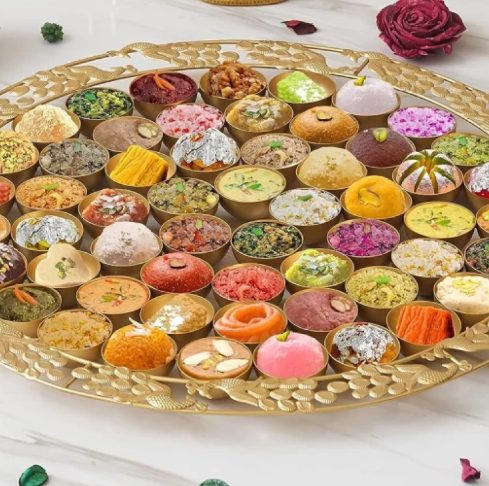
56 Bhog
Offering 56 types of food items to the deity represents gratitude and abundance, seeking divine blessings for prosperity and fulfillment.
$101
-
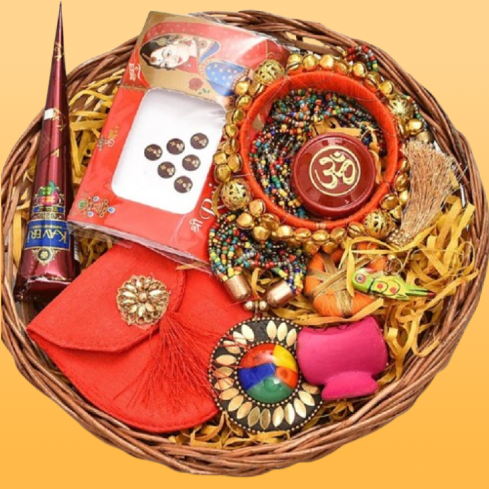
16 Shringar
Decorate the idols of gods and goddesses. This act of adornment is a way to express devotion and reverence, and it also signifies the beauty and grace of the divine.
$15
-
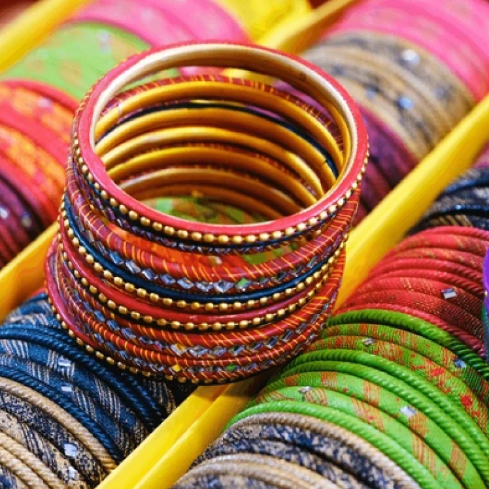
Bangles
Offering these sacred bangles symbolizes purity, prosperity, and protection. They are believed to attract divine blessings and spiritual energy, enhancing the sanctity of rituals and ceremonies.
$3
-
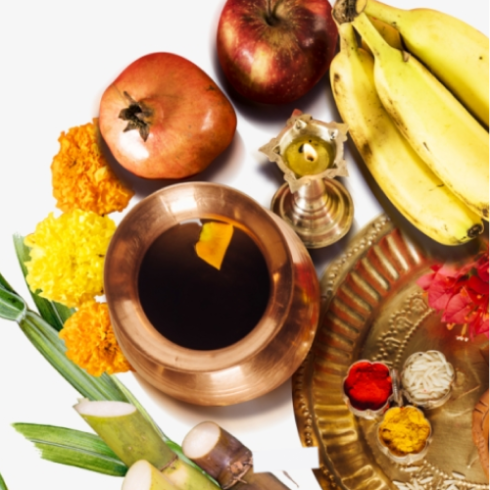
Mata Complete Offering Samagri
Chunari, Turmeric, Yellow Thread, Coconut, Bangles, Kumkum, Flower Basket, Turmeric Garland, Ghee lamp, Mehendi, Yellow Flower, Incense stick
$15
-
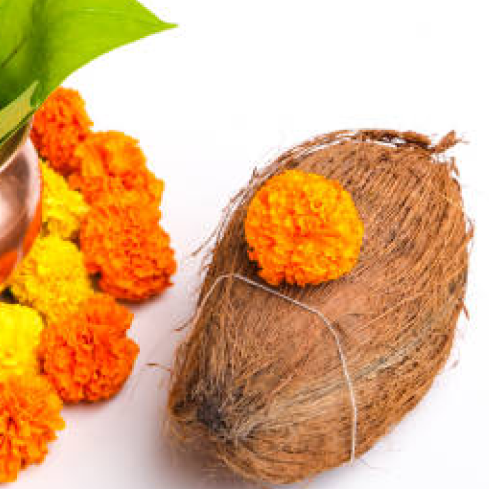
Coconut
Breaking and offering a coconut during worship symbolizes the breaking of the ego and surrender to the divine. It represents purity and the fulfillment of wishes.
$3
-
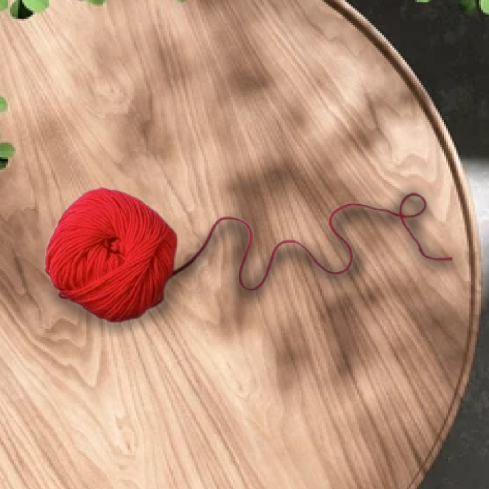
Red Thread
Red thread, also known as ‘Kalava’ or ‘Mouli,’ is a sacred thread tied during religious ceremonies. It symbolizes long life and protection from evil forces. It is often tied around the wrist to invoke the blessings of deities.
$3
-
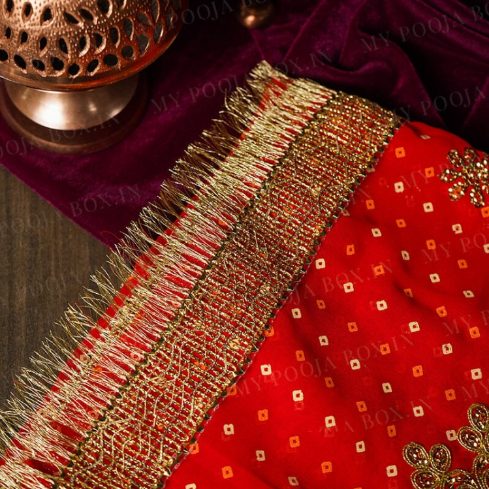
Chunari
Chunari is a decorative cloth offered to goddesses, especially during festivals and special rituals. It symbolizes respect, honor, and the devotee's dedication.
$4
-
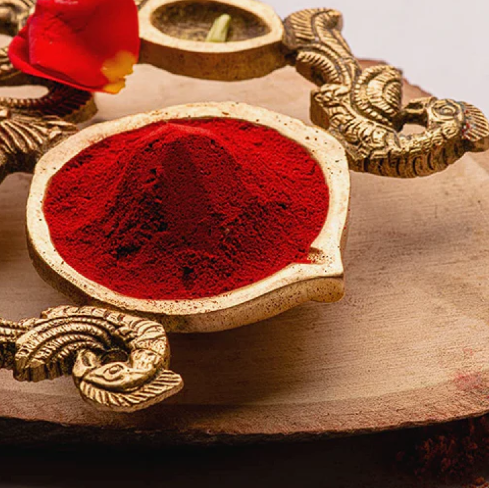
Kumkum
Kumkum is used for applying a tilak on the deity’s forehead. It represents the life force and energy and is believed to bring good fortune and auspiciousness.
$3
-
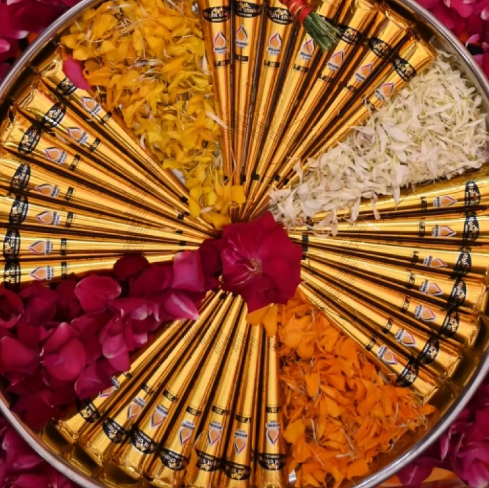
Mehndi
Used in worship, henna represents beauty, devotion, and the enhancement of spiritual grace and blessings.
$3
-
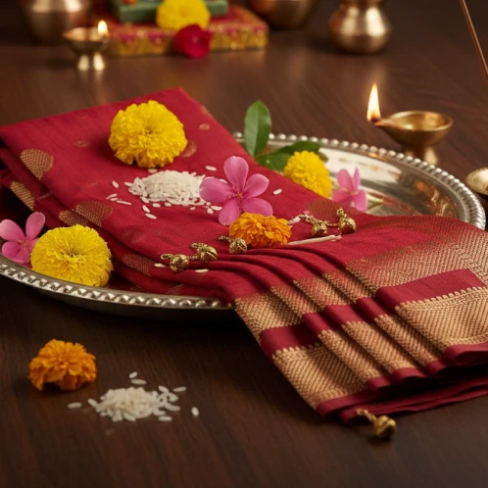
Saree
Offering a saree to the Das Mahavidya symbolizes honoring the Mother with devotion, purity, and surrender.
$30
Total $0.0
Proceed to PayChadhawa Methods
-
Visit Chadhawa
Go to the Trilok website and select the "Chadhawa" option.
-
Choose Temple
Select the temple where you wish to send your Chadhawa (offering).
-
Select Chadhawa
Pick from available offerings, such as chunri, flower basket, prasad, sindoor, diya, and more.
-
Fill Up Details
Click on "Make an Offering" and fill in the required details, then submit.
-
Make Payment
Complete the payment using UPI, Card, Net Banking, or other available options.