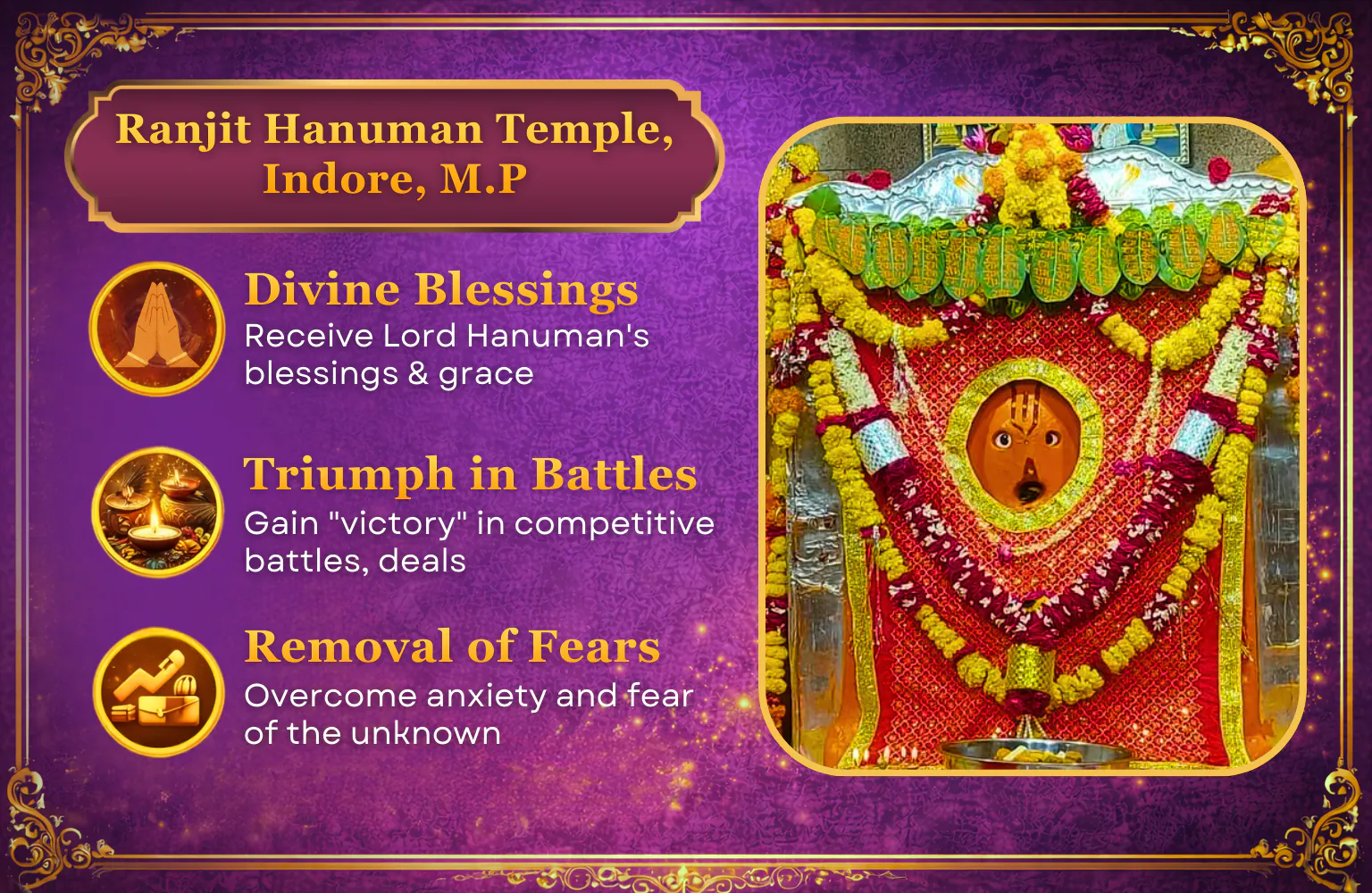
Ranjit Hanuman Temple
Ranjit Hanuman Temple is a sacred shrine dedicated to Lord Hanuman, located in Madhya Pradesh. The temple is renowned for its spiritual power, attracting devotees seeking courage, protection, and divine blessings in their daily lives. Spiritual Significance: Worshipping at Ranjit Hanuman Temple is believed to remove fears, obstacles, and negativity. Devotees gain strength, confidence, and protection from challenges through Lord Hanuman’s blessings. Ranjit Hanuman Mandir Chadhawa: Performing Ranjit Hanuman Mandir Chadhawa is highly auspicious. Devotees offer flowers, Prasad, and sacred items to invoke Lord Hanuman’s grace for strength, success, and well-being. Benefits of Ranjit Hanuman Mandir Chadhawa • Removes obstacles and fear • Brings protection and courage • Enhances confidence and mental strength • Invokes divine blessings and peace Why Choose Trilok for Ranjit Hanuman Mandir Chadhawa • Authentic rituals performed by verified temple priests • Same-day Chadhawa and Prasad delivery • Secure and transparent online booking • Live participation available for devotees
Chadhawa Methods
-
 Visit Chadhawa
Go to the Trilok website and select the "Chadhawa" option.
-
 Choose Temple
Select the temple where you wish to send your Chadhawa (offering).
-
 Select Chadhawa
Pick from available offerings, such as chunri, flower basket, prasad, sindoor, diya, and more.
-
 Fill Up Details
Click on "Make an Offering" and fill in the required details, then submit.
-
 Make Payment
Complete the payment using UPI, Card, Net Banking, or other available options.
Offerings
-
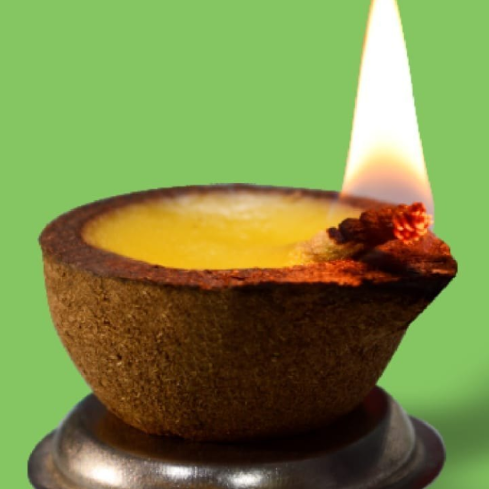
Ghee lamp
Lighting a ghee lamp during worship is believed to purify the environment and dispel darkness and ignorance. The flame symbolizes the presence of the divine and brings positive energy.
$5
-
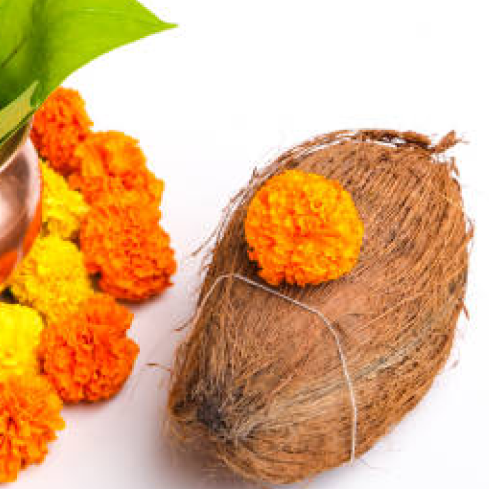
Coconut
Breaking and offering a coconut during worship symbolizes the breaking of the ego and surrender to the divine. It represents purity and the fulfillment of wishes.
$5
-
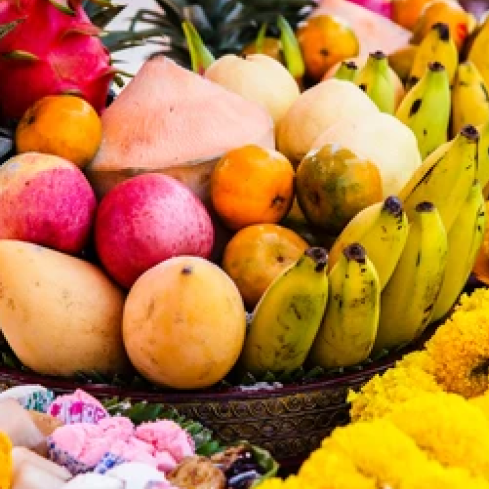
5 Fruit
Offering fresh fruits symbolizes health, abundance, and the invoking of divine blessings for prosperity and well-being.
$8
-

Flower Garland
Flower garlands are offered to deities as a mark of respect and devotion. The fragrance and beauty of the flowers symbolize the purity of the devotee's heart and intentions.
$5
-
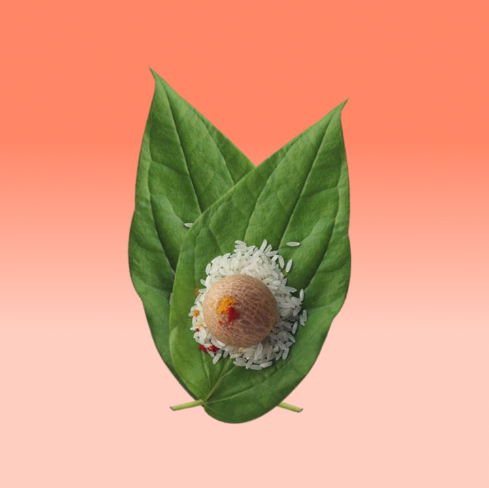
Paan Beatles
Betel leaves are traditionally offered to deities, particularly Lord Ganesha and Lord Shiva. These leaves are considered sacred and are used in rituals to seek blessings and fulfill desires.
$3
-
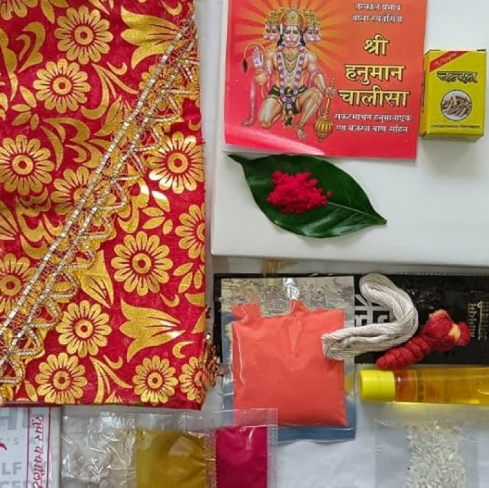
Chola
Offering a cloth (chola) to the deity signifies the devotee’s respect and honor towards the divine, reflecting their humility and devotion.
$51
-
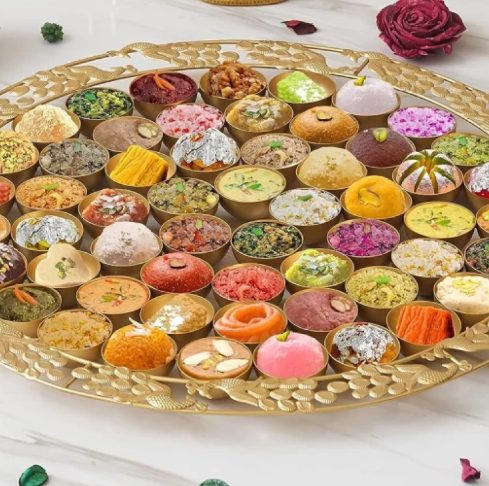
56 Bhog
Offering 56 types of food items to the deity represents gratitude and abundance, seeking divine blessings for prosperity and fulfillment.
$101
-
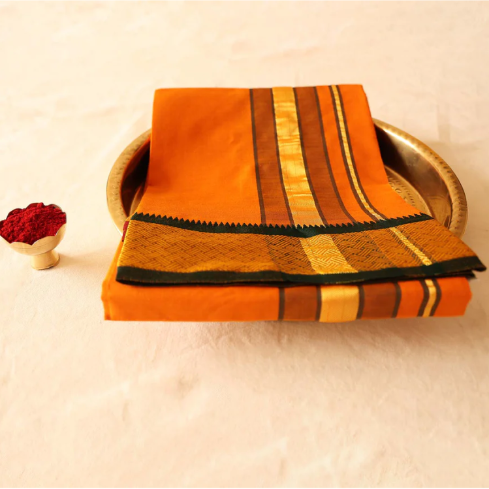
Saffron Dhoti
Offering a saffron-colored dhoti symbolizes energy, strength, and the seeking of divine blessings for protection and empowerment.
$21
-

Jaggery Gram
This offering symbolizes the balance of sweetness and nutrition in life, seeking health, prosperity, and divine grace.
$5
-
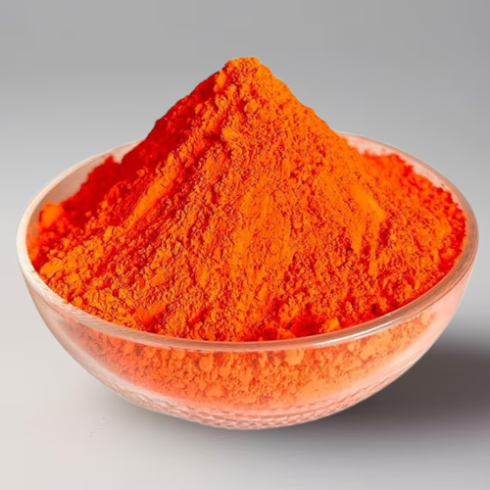
Sindoor
A sacred Sindoor applied on deities and devotees, signifying auspiciousness and bliss.
$3
-

Red flag
Your glory spreads in all directions with the red flag. The suffering of the enemy is alleviated.
$5
-
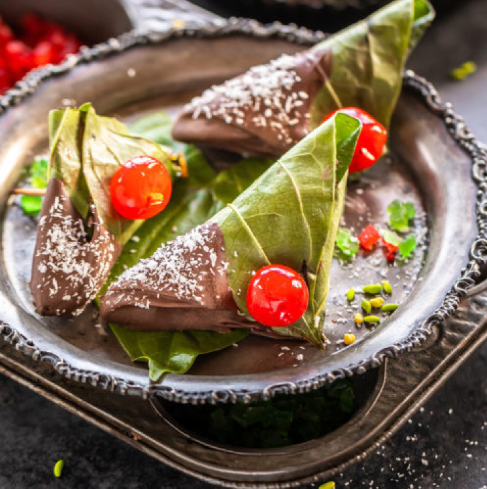
Pan Beeda
Offering betel leaves to deities signifies the fulfillment of desires and the seeking of blessings for prosperity and success.
$5
-
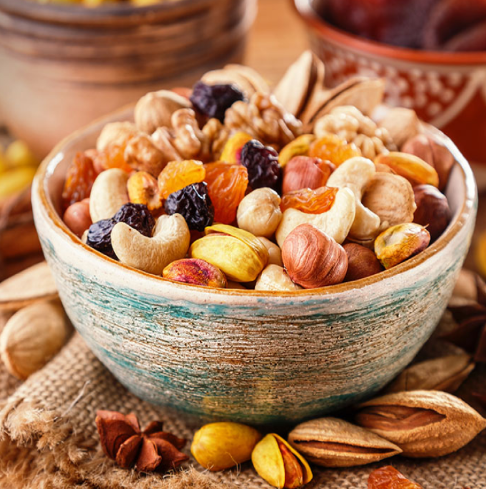
Panchmeva
This mixture of five types of dry fruits is offered as naivedya to signify abundance, health, and prosperity.
$11
-
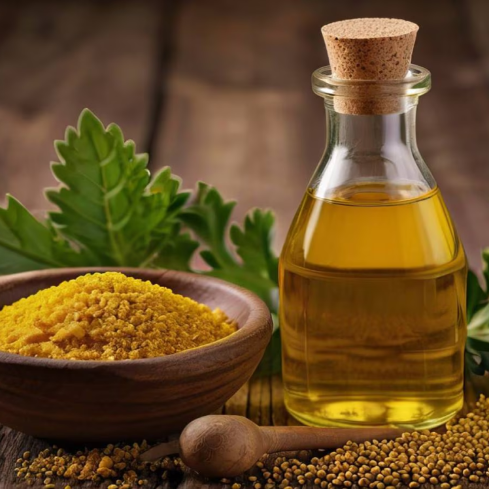
Mustard Oil
Offering mustard oil to deities is believed to purify and cleanse negative energies, invoking special blessings and protection.
$3
-
250 ml
NA
$5
-
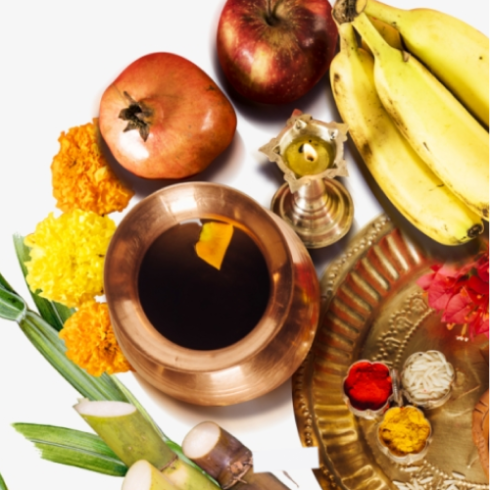
Hanuman Complete Offering Samagri
Flower Garland, Jaggery Gram, Sindoor, Coconut, Red Flag, Pan Beeda, Mustard Oil Lamp, Incense stick
$10
-

Itra
Itra symbolizes purity, sanctity, and positive energy.
$5
-
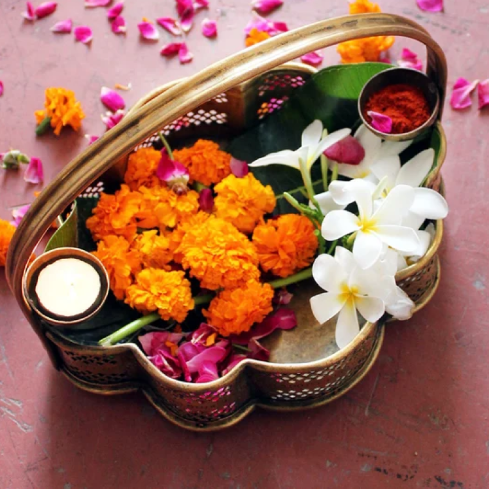
Flower Basket
Offering a basket of fresh flowers at a temple or place of worship is considered sacred. This is done to receive the blessings and grace of the deity.
$3
Total $0.0
Proceed to PayChadhawa Methods
-
Visit Chadhawa
Go to the Trilok website and select the "Chadhawa" option.
-
Choose Temple
Select the temple where you wish to send your Chadhawa (offering).
-
Select Chadhawa
Pick from available offerings, such as chunri, flower basket, prasad, sindoor, diya, and more.
-
Fill Up Details
Click on "Make an Offering" and fill in the required details, then submit.
-
Make Payment
Complete the payment using UPI, Card, Net Banking, or other available options.