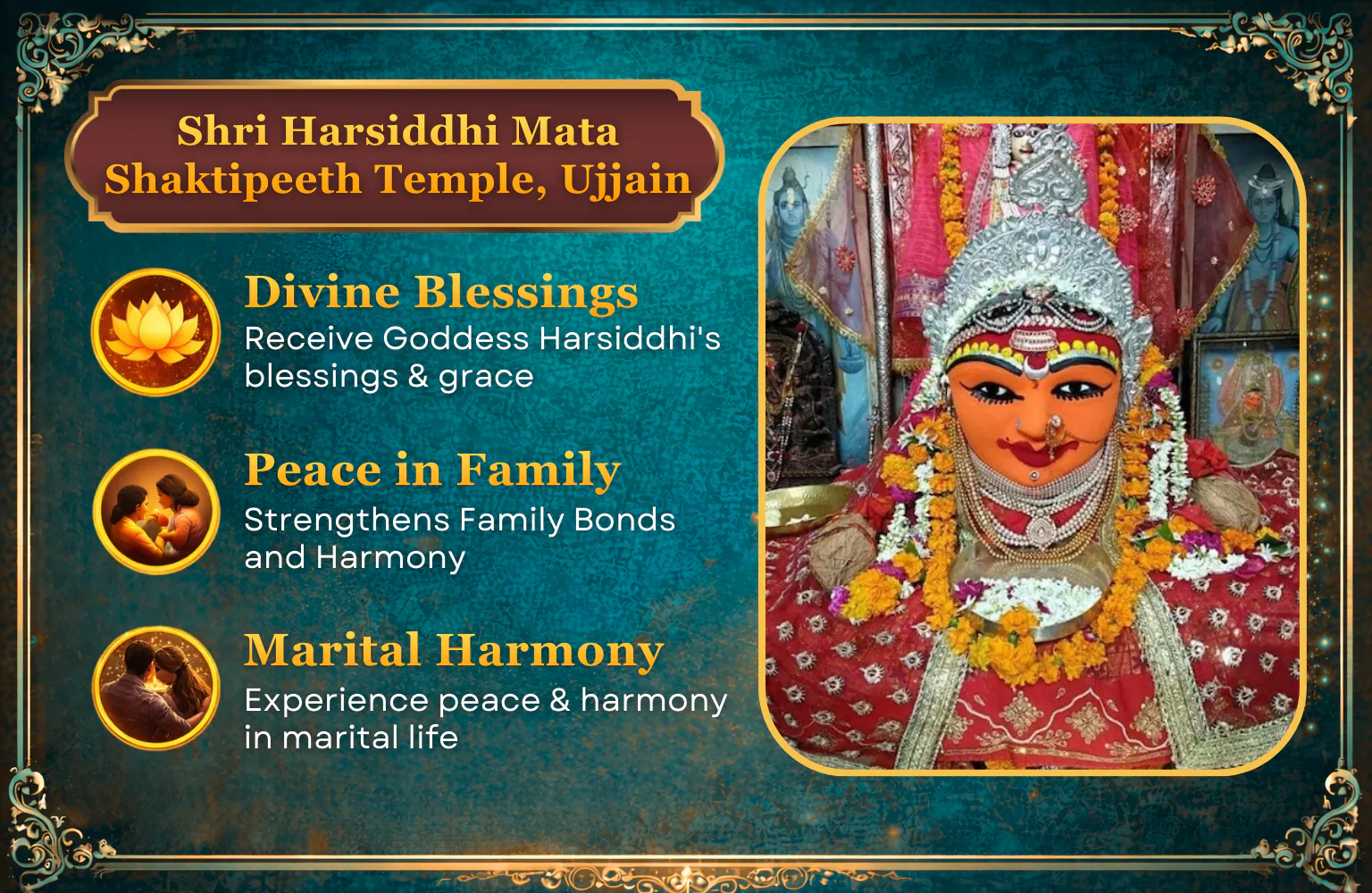
Shri Harsiddhi Mata Shaktipeeth Temple, Ujjain
There is an ancient temple of Mother Harsiddhi, the favorite goddess of King Shri Vikramaditya, in Ujjain city, which is counted among the 52 Shaktipeeths. The residents here have protected this temple for the safety of Ujjain, and the place where the temple of Mata Harsiddhi is located has a historical connection with the elbow of Maa Sati. This temple is mentioned in the Vedas and Puranas. Harsiddhi Temple has a total of 4 entrances, and the main entrance is located towards the western direction. The design and carving of the gate here is very attractive. In the south-east direction, a magnificent stepwell has been built, inside which there is a pillar and Sriyantra, while behind it is situated the idol of Maa Annapurna. In front of the temple, there is Rudrasagar, one of the magnificent seven oceans, which further adds to its beauty. In front of the idol of the Mother installed in the temple, there are two lamp posts, which are decorated with lights on the occasion of Navratri, and these attract the visiting devotees. During Navratri, a total of 1100 lamps are lit on these two pillars, which consume a large amount of oil to burn. And people come from far and wide to see it. To get these two pillars lit, devotees have to book 2 years in advance for Navratri.
Chadhawa Methods
-
 Visit Chadhawa
Go to the Trilok website and select the "Chadhawa" option.
-
 Choose Temple
Select the temple where you wish to send your Chadhawa (offering).
-
 Select Chadhawa
Pick from available offerings, such as chunri, flower basket, prasad, sindoor, diya, and more.
-
 Fill Up Details
Click on "Make an Offering" and fill in the required details, then submit.
-
 Make Payment
Complete the payment using UPI, Card, Net Banking, or other available options.
Offerings
-
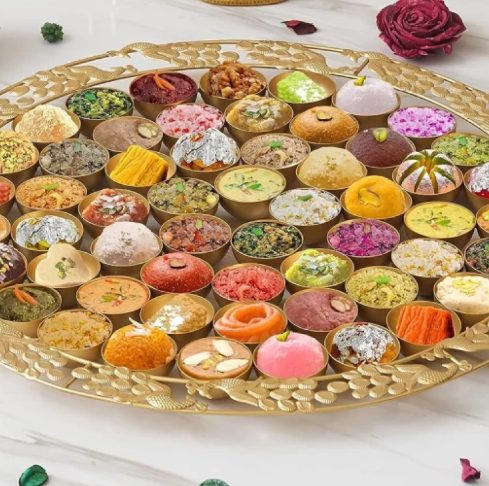
56 Bhog
Offering 56 types of food items to the deity represents gratitude and abundance, seeking divine blessings for prosperity and fulfillment.
$101
-
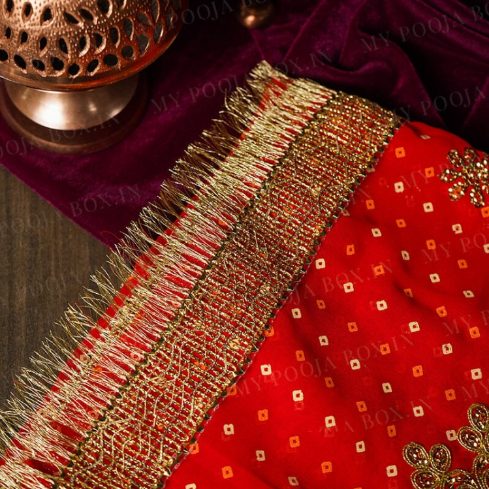
Chunari
Chunari is a decorative cloth offered to goddesses, especially during festivals and special rituals. It symbolizes respect, honor, and the devotee's dedication.
$3
-
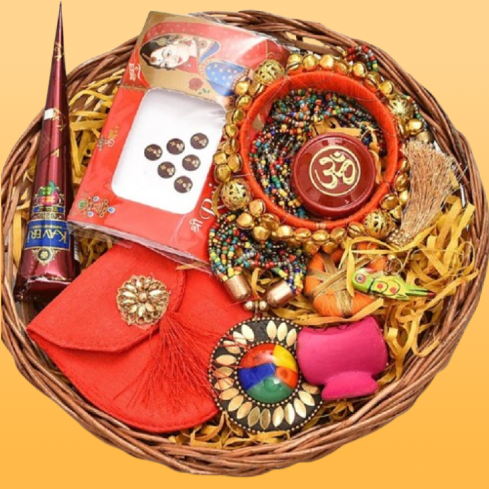
16 Shringar
Decorate the idols of gods and goddesses. This act of adornment is a way to express devotion and reverence, and it also signifies the beauty and grace of the divine.
$15
-
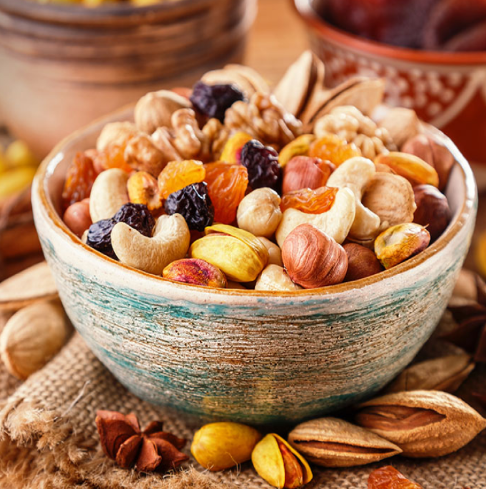
Panchmeva
This mixture of five types of dry fruits is offered as naivedya to signify abundance, health, and prosperity.
$11
-
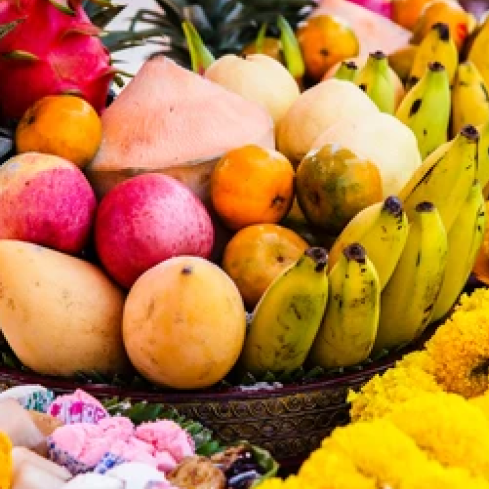
5 Fruit
Offering fresh fruits symbolizes health, abundance, and the invoking of divine blessings for prosperity and well-being.
$8
-
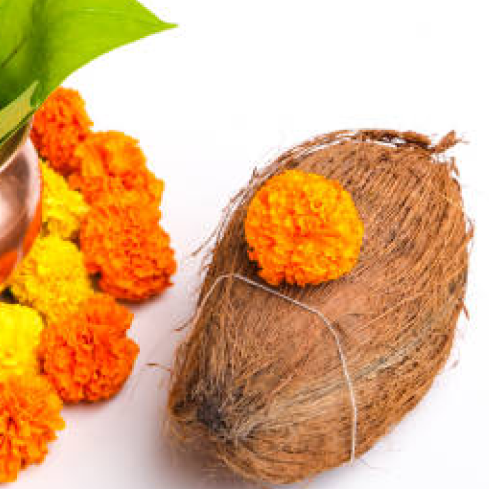
Coconut
Breaking and offering a coconut during worship symbolizes the breaking of the ego and surrender to the divine. It represents purity and the fulfillment of wishes.
$5
-
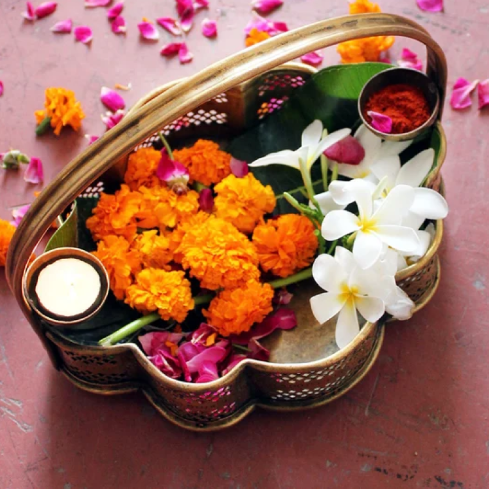
Flower Basket
Offering a basket of fresh flowers at a temple or place of worship is considered sacred. This is done to receive the blessings and grace of the deity.
$3
-
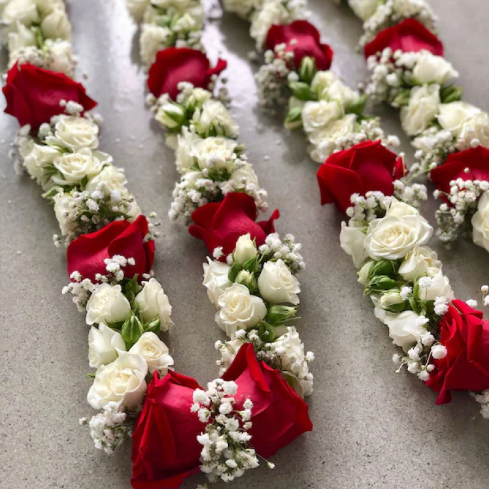
Flower Garland
Flower garlands are offered to deities as a mark of respect and devotion. The fragrance and beauty of the flowers symbolize the purity of the devotee's heart and intentions.
$5
-
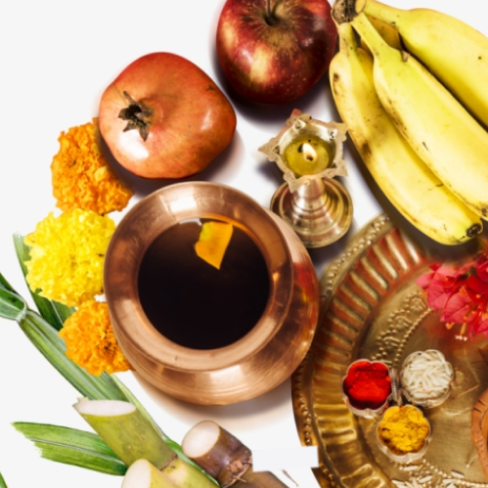
Mata Complete Offering
Chunari, Turmeric, Red Thread, Coconut, Bangles, Kumkum, Flower Garland, Mehendi, Incense stick
$12
-
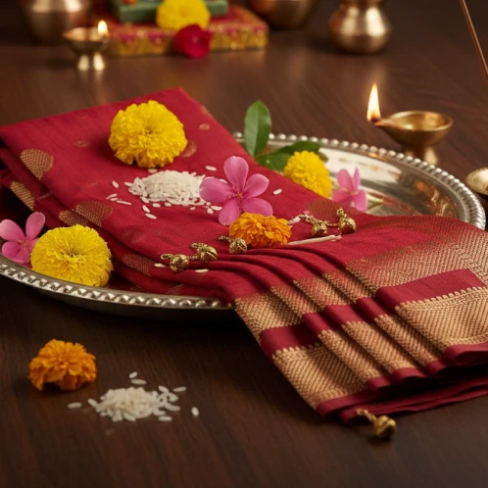
Saree
Offering a saree to the Das Mahavidya symbolizes honoring the Mother with devotion, purity, and surrender.
$35
-
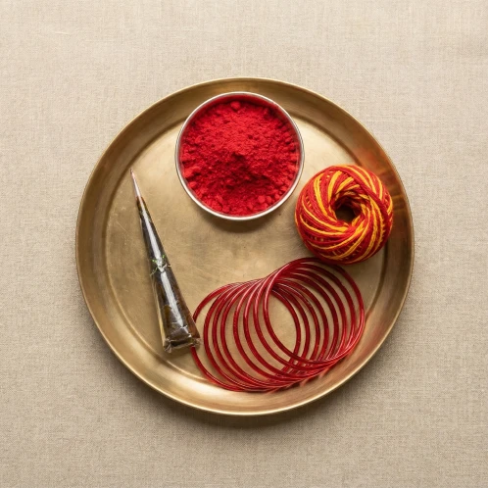
Kumkum + Mehndi + Bangels + Thread
Kumkum, Mehndi, Bangles, and Thread—traditional chadhawa items offered for blessings, prosperity, joy, and divine protection
$7
Total $0.0
Proceed to PayChadhawa Methods
-
Visit Chadhawa
Go to the Trilok website and select the "Chadhawa" option.
-
Choose Temple
Select the temple where you wish to send your Chadhawa (offering).
-
Select Chadhawa
Pick from available offerings, such as chunri, flower basket, prasad, sindoor, diya, and more.
-
Fill Up Details
Click on "Make an Offering" and fill in the required details, then submit.
-
Make Payment
Complete the payment using UPI, Card, Net Banking, or other available options.