Avoid Performing Auspicious Tasks During Holashtak
April 21, 2026 Tuesday
Holashtak 2026: Dates and Start of Holi
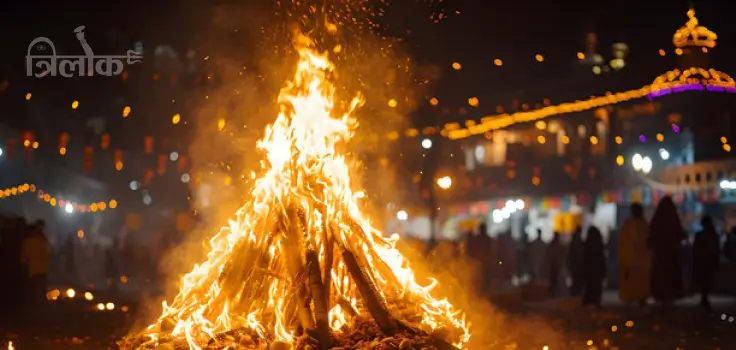
According to the Vedic Panchang, Holashtak 2026 will begin on Tuesday, 24 February, and conclude with Holika Dahan on Tuesday, 3 March. Holika Dahan, celebrated on the full moon day (Purnima) of the Phalguna month, marks the official end of this period.
- Start Date: 24 February 2026
- End Date: 3 March 2026 (Holika Dahan)
- Main Festival: Holi (Colors) begins on 4 March 2026
What is the Significance of Holashtak?
The term “Holashtak” is a combination of “Holi” and “Ashtak,” meaning eight. It lasts from the Shukla Ashtami to the Purnima. While all auspicious and ceremonial activities are halted, the period is known for heightened cosmic energy. This makes it an excellent time for:
- Meditation and chanting mantras.
- Performing religious rituals.
- Worship of Lord Vishnu and Lord Narasimha.
- Tantric worship of Baglamukhi Mata.
Holashtak 2026: Daily Planetary Influences
During these eight days, the energies of the nine planets (Navagrahas) are particularly active. Performing peace rituals (Shanti Puja) for specific planets on their dedicated days can bring positive changes to your birth chart.
Day 1 (Ashtami) – The Moon
Focus on peace rituals for the Moon on Phalguna Shukla Ashtami to stabilize emotions and mental peace.
Day 2 (Navami) – The Sun
Perform rituals related to the Sun to boost confidence, health, and soul energy.
Day 3 (Dashami) – Saturn
Perform peace rituals for Saturn to mitigate obstacles and delays in life.
Day 4 (Ekadashi) – Spiritual Calm
A day dedicated to internal reflection and rituals for overall spiritual tranquility.
Day 5 (Dwadashi) – Jupiter
The energy of Jupiter is prominent. Perform rituals for wisdom, wealth, and expansion.
Day 6 (Trayodashi) – Mercury
Mercury’s energy peaks. Focus on rituals for communication, intellect, and business success.
Day 7 (Chaturdashi) – Mars
Mars’ energy is at its highest. Perform peace rituals to manage anger and prevent accidents.
Day 8 (Purnima) – Rahu and Ketu
The shadow planets are most powerful. Perform rituals to reduce negative influences and illusions.
What Should Be Avoided During Holashtak 2026?
According to the scriptures, the following activities are strictly restricted during these eight days:
- Ceremonies: Marriage, Engagements, Naming Ceremonies (Namkaran), and Mundan (Head-shaving).
- Property & Business: Housewarming (Griha Pravesh), buying property, or starting a new business venture.
- Career & Purchases: Joining a new job, switching careers, or purchasing a new vehicle.
- Piercings: Postpone any ear or nose piercing during this time.
Why Is Holashtak Considered Inauspicious?
The primary reason is rooted in the story of Prahlad. During these eight days, the demon king Hiranyakashyapu subjected Prahlad to severe torments—poisoning him, throwing him off mountains, and setting him on fire. Remembering these days of suffering, the period is considered heavy and unsuitable for celebrations. Instead, devotees worship Lord Narasimha, the protector, to overcome their own troubles.
The period ends when the Holika Dahan fire is lit, symbolizing the victory of devotion and the end of negativity, leading into the joyful celebration of colors.