What is Holashtak? What to do and what not to do during this time?
April 21, 2026 Tuesday
During this time, all auspicious and religious activities—such as weddings, housewarmings (Griha Pravesh), and the opening of new businesses—are strictly prohibited. While considered inauspicious for worldly beginnings, it is a powerful time for meditation and spiritual growth.
When is Holashtak 2026? Dates and Timing
In 2026, Holashtak will begin on Tuesday, February 24, 2026, and will conclude on Tuesday, March 3, 2026, with the ritual of Holika Dahan.
This period is especially prominent in Northern India and Punjab, marking the transition from winter to summer. As the fragrance of spring flowers fills the air, devotees shift their focus toward donation, fasting, and spiritual preparation for the arrival of Holi.
Rituals and Preparations for Holi Puja
While major celebrations are on hold, specific traditional preparations begin during these eight days:
- Building the Holika: The community selects a central square to set up the “Holi stick.” Daily, wood and dried fuel are added to build the pile for Holika Dahan.
- Charity (Daan): Donating food, clothes, and money during Holashtak is believed to bring relief from life’s troubles.
- Fasting: Many devotees observe fasts to purify the body and mind during this seasonal transition.
Three Reasons Why Holashtak is Considered Inauspicious
The prohibition of auspicious tasks during Holashtak is rooted in three distinct areas: Mythology, the Legend of Kamdev, and Astrology.
1. The Story of Prahlad (Mythological Reason)
According to ancient scriptures, King Hiranyakashyap subjected his son Prahlad to extreme torture during these eight days to break his devotion to Lord Vishnu. The period represents the struggle of the devotee, culminating in the day Holika sat in the fire with Prahlad in her lap. Because these were days of suffering for a great devotee, they are deemed unsuitable for celebrations.
2. The Sacrifice of Kamdev and Rati
Legend states that Kamdev, the God of Love, attempted to disturb Lord Shiva’s deep meditation at the request of the other deities. Angered, Lord Shiva opened his third eye and burned Kamdev to ashes on the Shukla Ashtami of Phalguna. The following days were a period of mourning for Kamdev’s wife, Rati, until Shiva promised his eventual revival.
3. Astrological and Health Reasons
Astrologers explain that Holashtak occurs during a major seasonal change. During this transition, the human body and mind can become more vulnerable to illness and depression. Therefore, the energy of this period is better suited for Havan, worship, and internal reflection rather than starting new external ventures.
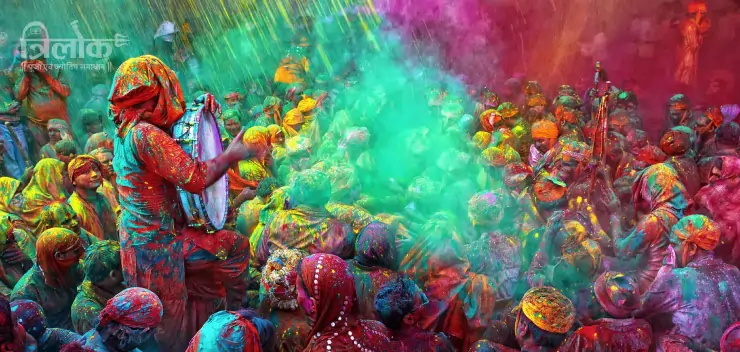
Holashtak concludes with the celebration of Holi, marked by colors, gulal, and the victory of devotion over ego.